

Multi-Step Fermentation
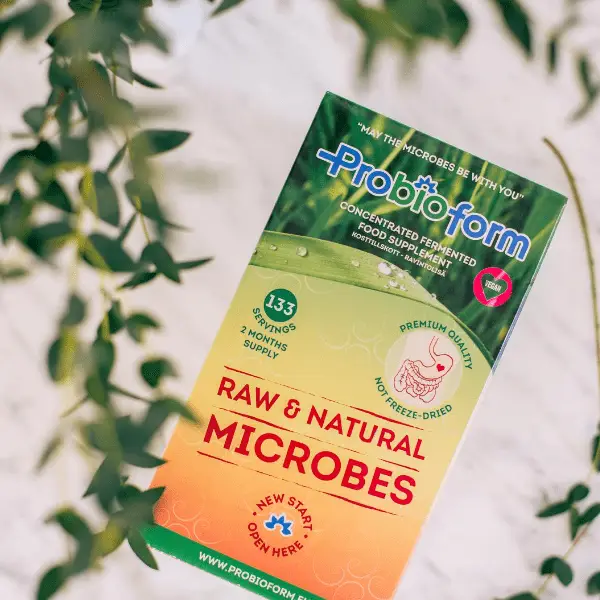
How Probioform is made
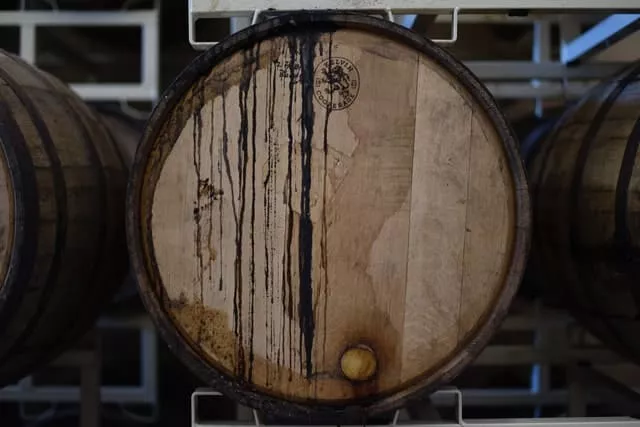
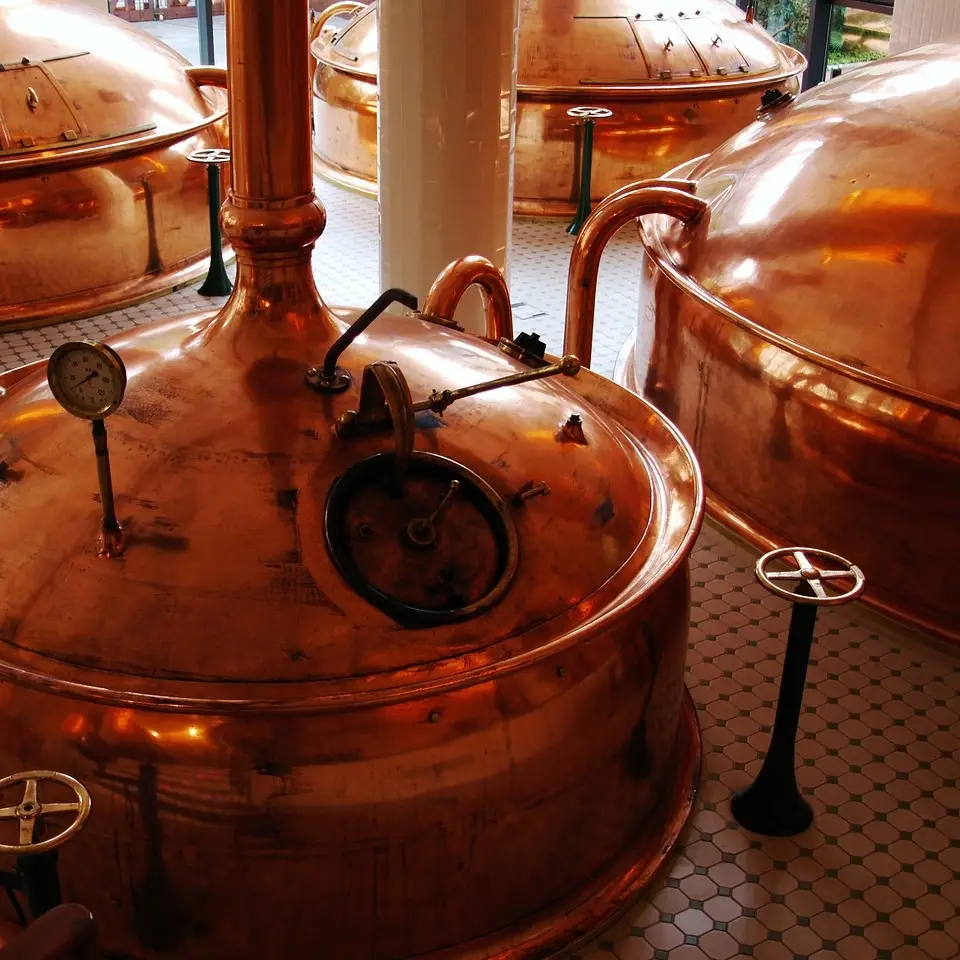
Probioform is fermented in controlled stages over about 3 weeks. Organic raw molasses and purified water are the starting point. Lactic acid bacteria and yeasts grow together and turn the molasses into lactic and acetic acid. These natural acids bring the liquid to a pH of about 3.7, which keeps it stable at room temperature.
What Is Fermentation?
Fermentation is the process of breaking down complex compounds into simpler substances. Microorganisms, like bacteria and yeast, play an important role in the process of fermentation. In this chemical process, molecules such as glucose are broken down anaerobically (without oxygen).
Famous French biologist Louis Pasteur used fermentation in a narrow sense in the 19th century to explain the changes brought by bacteria and other microorganisms growing in the absence of oxygen.
Why several stages?
Different microbes thrive under different conditions. As the fermentation moves from one stage to the next, the acidity rises and the mix of active cultures shifts. Running it in steps lets several bacteria and yeasts develop side by side, instead of one strain grown on its own.
Probiotics
Microorganisms are our constant companions: they are all around us, on us and inside us. Fermented foods are one of the oldest ways people have used them.
What’s in it
Live cultures: Lactobacillus casei, Lactobacillus lactis, Lactobacillus plantarum and the yeast Saccharomyces cerevisiae. Other ingredients: purified water, lactic acid and acetic acid. Each tablespoon contains at least 15 million live cultures, guaranteed to the best-before date.
What Is Multi-Step Fermentation?
Multi-step fermentation is a multi-stage process. Instead of growing one strain at a time, the fermentation runs in several stages over about 3 weeks, and different bacteria and yeasts become active at different stages and grow together.
The result is a living liquid with a broad mix of cultures and the natural organic acids, lactic and acetic acid, that give Probioform its pH of about 3.7.
Claim your free fermentation guide.
Get all 24 recipes, from kimchi and sauerkraut to kvass, kombucha and coconut yogurt, in one free PDF. Every recipe is also online with step-by-step photos.
Probioform And Multi-Step Fermentation
What sets the process apart:
Together, the cultures and the acids they produce make a stable living liquid that keeps at room temperature, also after opening, until the best-before date.
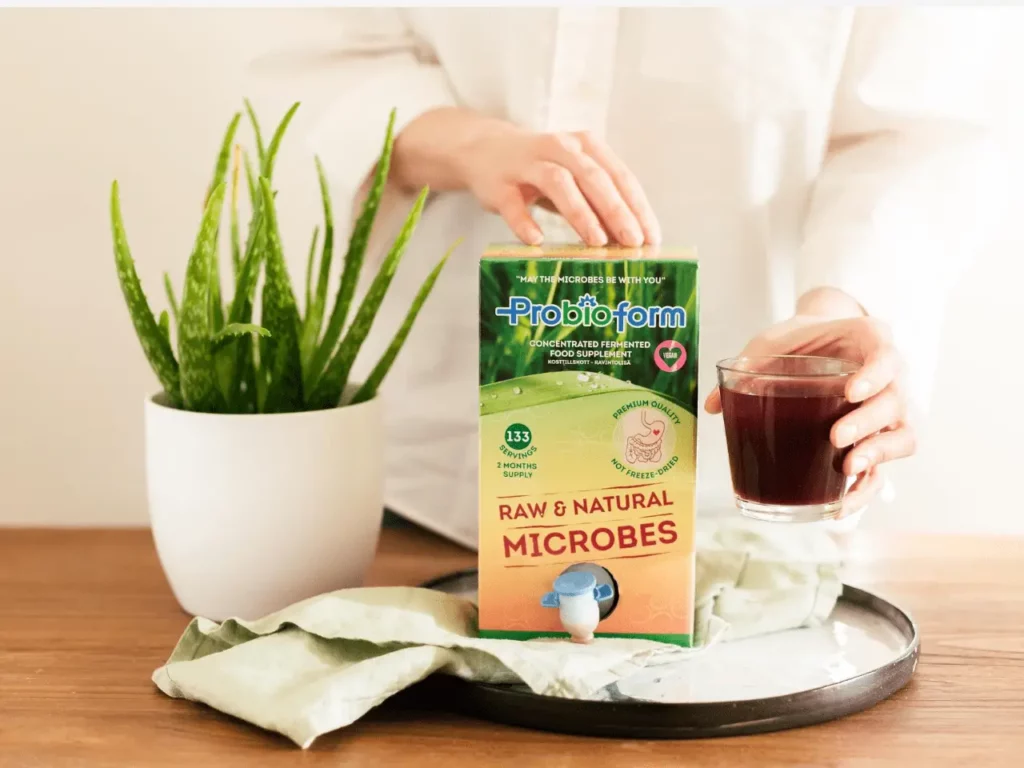
Probioform for the whole family
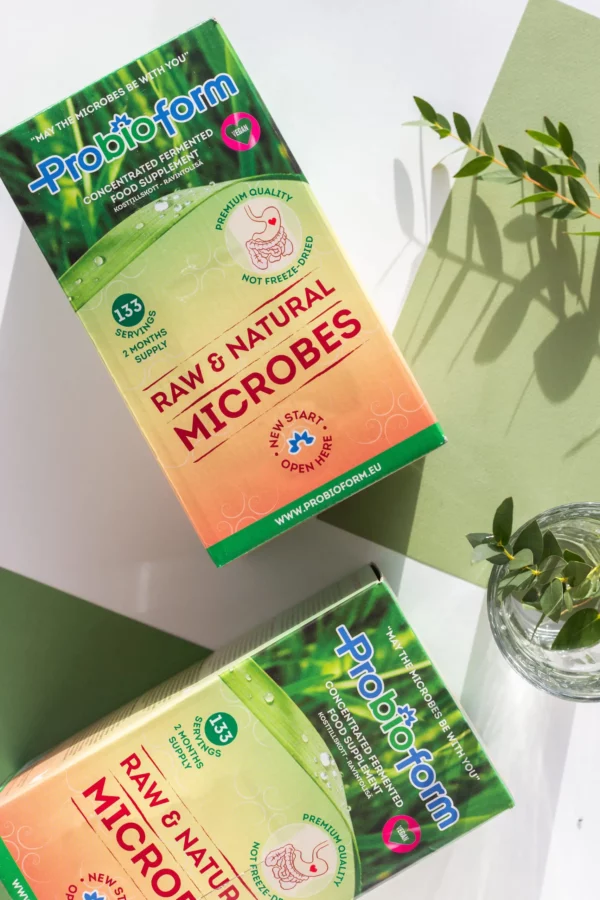
One box suits the whole household, with an amount for each age from 1 year. Adults take 1–2 tablespoons in water or juice, morning and evening. See the amounts for each age on our family page.
The low pH from natural fermentation is also why Probioform keeps so well: it can be stored at room temperature, even after opening, until the expiry date.
Our Gallery


Explore more about Probioform
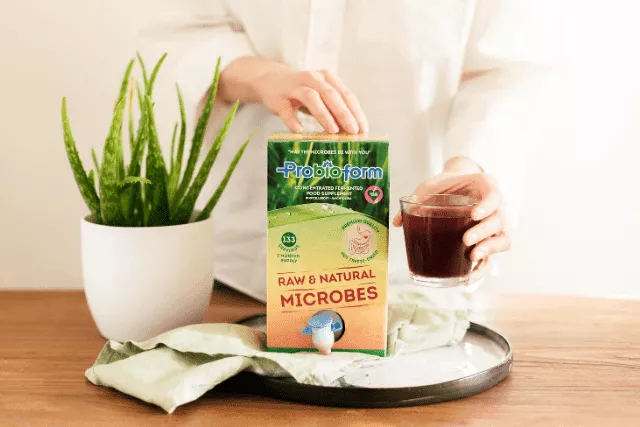
Why Do We Need It
Pasteurised and processed food rarely contains live cultures. Probioform is a living, naturally fermented liquid you can add to a varied diet with plenty of vegetables and fibre.
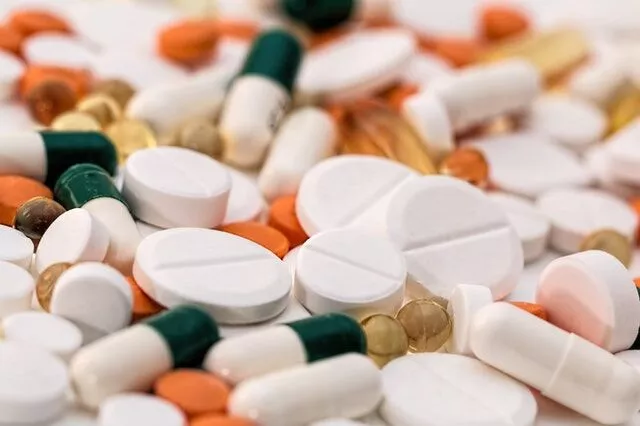
Powder or Liquid
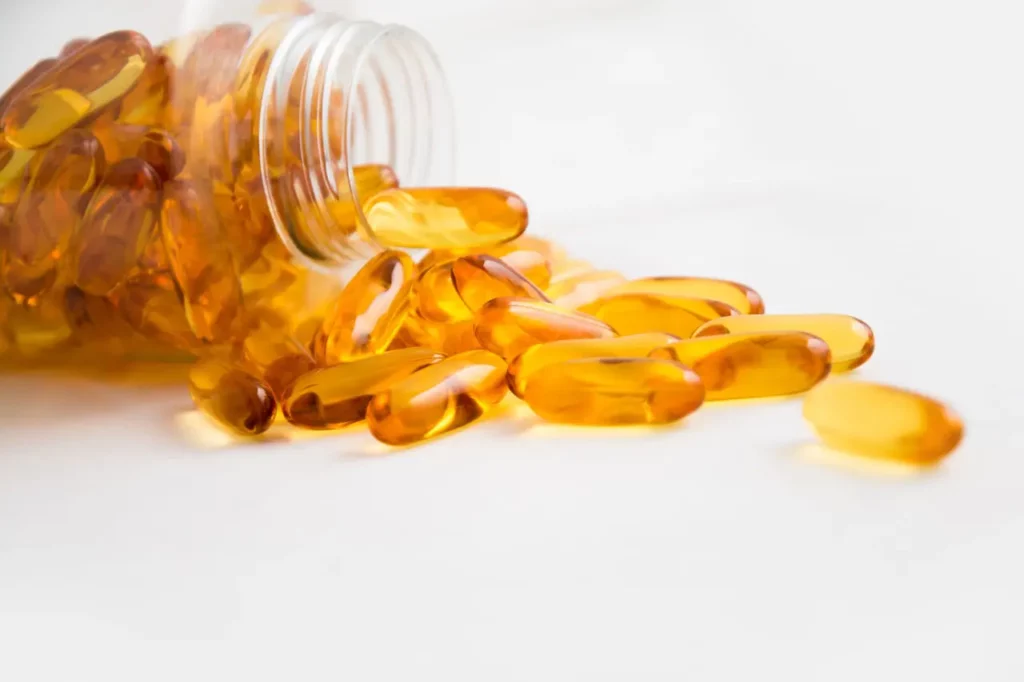
Capsules and powders usually hold freeze-dried cultures that need to rehydrate before they become active.
Probioform does things differently. Its cultures stay in their living liquid form, and the amount is easy to adjust with a spoon.
Fermentation
Fermentation is one of the oldest known ways of conserving food — it also happens to make delicious dishes. Because Probioform is a living liquid, it also works as a starter culture for sauerkraut, kimchi and kombucha at home.